Many of us dream of waking up with that soft, natural flush that makes our lips look better without wearing makeup. Choosing a lip blush shade can feel both exciting and nerve-wracking, and the worries kick in: What if it turns out too pink? What if it goes ashy or grey? What if it ends up way too bright and obvious?
We hear these fears every week at Brau. Clients come in wanting a gentle your-lips-but-better effect, yet they’re scared the final color will feel like too much. In fact, a beautiful, natural-looking lip blush comes down to smart lip blush color selection. It’s not about guessing; it’s about understanding how your own skin and lip tones mix with the pigment during healing.
Let’s walk through how to choose lip blush color so it stays balanced, flattering, and never looks “off.”
First, Understand Why Lip Blush Can Heal Cooler or Brighter Than Expected
Lips don’t show their true colors right away, and the healing journey can throw you off if you don’t know what to expect.
Healing stages can trick you (and “too bright” is often temporary)
Straight after the session, your lips usually look quite vivid, sometimes even brighter than you asked for. Then the peeling starts, and many clients hit the ghosting phase around days 3 to 7. The color seems to vanish, leaving lips pale and almost bare. It feels scary, but it’s normal. After that, the real color bloom begins. The pigment slowly settles and softens, and by weeks 4 to 6, you see the gentle, natural shade that was planned all along. Most clients say the healed result finally feels just right at that point.
Undertones don’t disappear, they mix with pigment
Your skin and lips have their own hidden pigment undertone. When we add the chosen lip blush pigment, the two blend together. That’s why the same lip blush shade can look different on two friends who seem to have similar coloring.
Natural lip tone matters as much as skin tone
Some lips lean naturally pink or red, while others carry purple, brown, or greyish casts, especially if there’s existing lip pigmentation or discoloration. Cool-toned lips (those with a purple or grey hint) can pull pigments cooler than expected. If your lips have uneven tone or darker pigmentation, we often need a gentle neutralizing step first so the final shade sits true instead of shifting.
Pigment choice + saturation + technique can push results too bold
Using very saturated pigments or going too strong in the first session is one of the quickest ways to end up with brighter or cooler lips than you wanted. How deep we work, the technique used, and even how you care for them afterwards all affect how the color settles and fades over time.
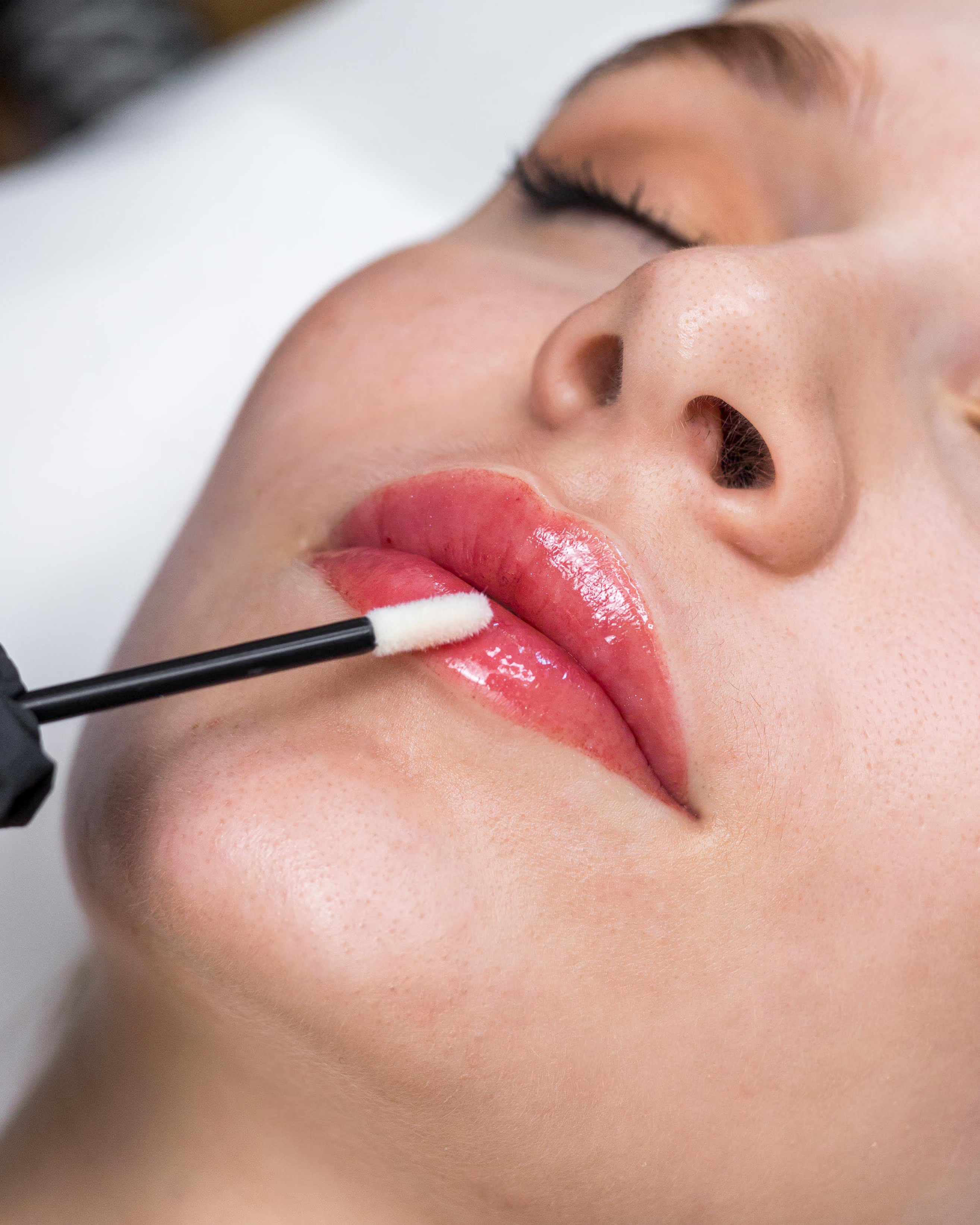
Identifying Undertone for a Perfect Match
Getting the right lip blush color selection starts with knowing your undertones, and it takes a few simple checks.
Step 1: Identify your skin undertone (warm/cool/neutral)
Do this in natural daylight, not under bathroom lights:
- Check the veins on the inside of your wrist: Greenish veins suggest warm (yellow) undertones, while bluish or purple veins indicate cool (pink) undertones. A mix of both usually means neutral.
- Consider how jewelry looks on you: Gold tends to complement warm or olive skin, while silver often flatters cool undertones.
- Observe your skin in natural light: Warm undertones appear more golden or peachy in sunlight, while cool undertones look rosier or slightly bluish.
Step 2: Identify your natural lip undertone (not just “light/dark”)
Look closely at your bare lips:
- Cool undertone: Purple, mauve, or greyish cast, more common in very fair skin or some deeper complexions.
- Warm undertone: A peach, orange, or brownish cast; often seen in olive or warm-toned skin.
- High pigmentation: Naturally deeper lip color, which can mute bright pinks or cause them to shift in tone.
Cool lip undertones often pull any pigment cooler, sometimes making it look ashy. Warm undertones can soften pinks into more nude or peachy tones. If your lips are quite pigmented or have a strong, cool cast, we may start with a neutralizing base so the chosen shade doesn’t turn muddy.
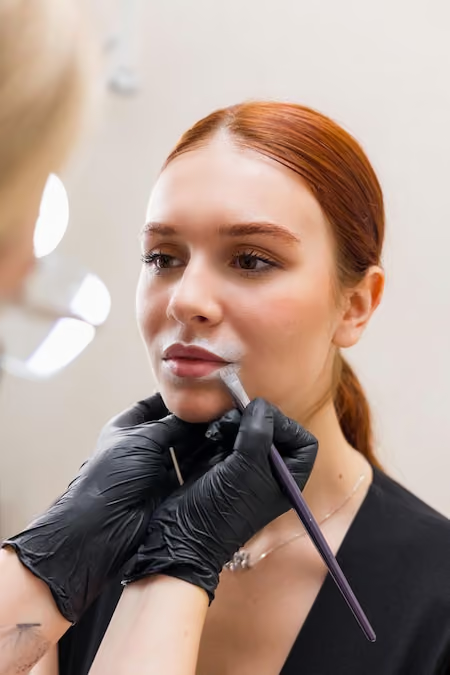
Shade Strategy That Heals Balanced (Not Neon, Not Ashy)
The smartest way to get a natural look is to pick shades that work with your undertones instead of fighting against them.
Choose “muted” over “milky” and “soft” over “neon”
Shades that almost always heal beautifully and stay flattering include:
- Dusty rose
- Rosewood
- Soft terracotta
- Nude peach
- Warm mauve
- Soft cinnamon rose
These give a lovely enhancement without overdoing it.
Shades worth being careful with if you want something subtle:
- Strong blue-based baby pinks (they can heal greyish on warm or olive skin)
- Vivid fuchsia
- Neon coral
- Icy mauve
These often carry heavy blue undertones that become more noticeable as the color softens.
If you’re afraid of “too cool”
This worry is super common on warm, olive, or yellow-undertone skin. Blue-based pinks can turn ashy or grey as they heal. Safer picks in this case are:
- Peach-nude
- Warm rose
- Muted coral
- Soft terracotta
These help the final color stay soft and warm instead of shifting cool.
If you’re afraid of “too bright”
Inform your artist that you want only a 10–30% boost; enough to look fresh. Choose a shade one or two steps softer than your usual lipstick. And remember: that intense look on day 1 or 2 is not the end result. It calms down nicely once the color bloom finishes.
If your lips have more natural pigment or uneven tone
Lips with heavier lip pigmentation or dark tones often need neutralization first. We use soft coral or orange family tones to balance out cool or purple casts, so the final lip blush shade doesn’t go too dark or uneven. It can take more than one session, but the payoff is a much more natural, even result – especially helpful for dark complexions.
The Best Shades For Different Skin Tones
Here are the shade families that work well for different complexions:
- Pale skin with cool/pink undertones: Soft dusty rose, warm mauve, or light rosewood. Steer clear of anything too icy.
- Pale skin with warm/yellow undertones: Nude peach, soft terracotta, or warm nude tones. These keep things from looking chilly.
- Olive skin: Muted coral, cinnamon rose, or warm rosewood. They balance the natural green-yellow hints without turning flat or ashy.
- Medium to dark complexions: Warm terracotta, soft cinnamon, rosewood, or rich nude peach. For dark complexions that lean cool or have strong lip pigmentation, starting with neutralization often makes the biggest difference.
- Very dark or highly pigmented lips: We usually begin with warm orange/coral tones to neutralize, then layer a soft warm brown or terracotta lip blush shade for the most believable enhancement.
The whole idea is harmony between your skin tones, your natural lip base, and the pigment we choose.
Post-Treatment: The “Fading” Illusion
One thing almost everyone needs to hear: lip blush fades by roughly 30–50% as it heals. That bright or dark look right after treatment is helpful; it means enough pigment was placed so that once the ghosting phase passes and the color bloom happens, you’re left with a soft, natural flush instead of something barely visible.
A lot of clients feel concerned during peeling when their lips look washed out, but if you give it time, the color comes back in the most flattering way. Patience really is everything here.
Your Bespoke Consultation at Brau
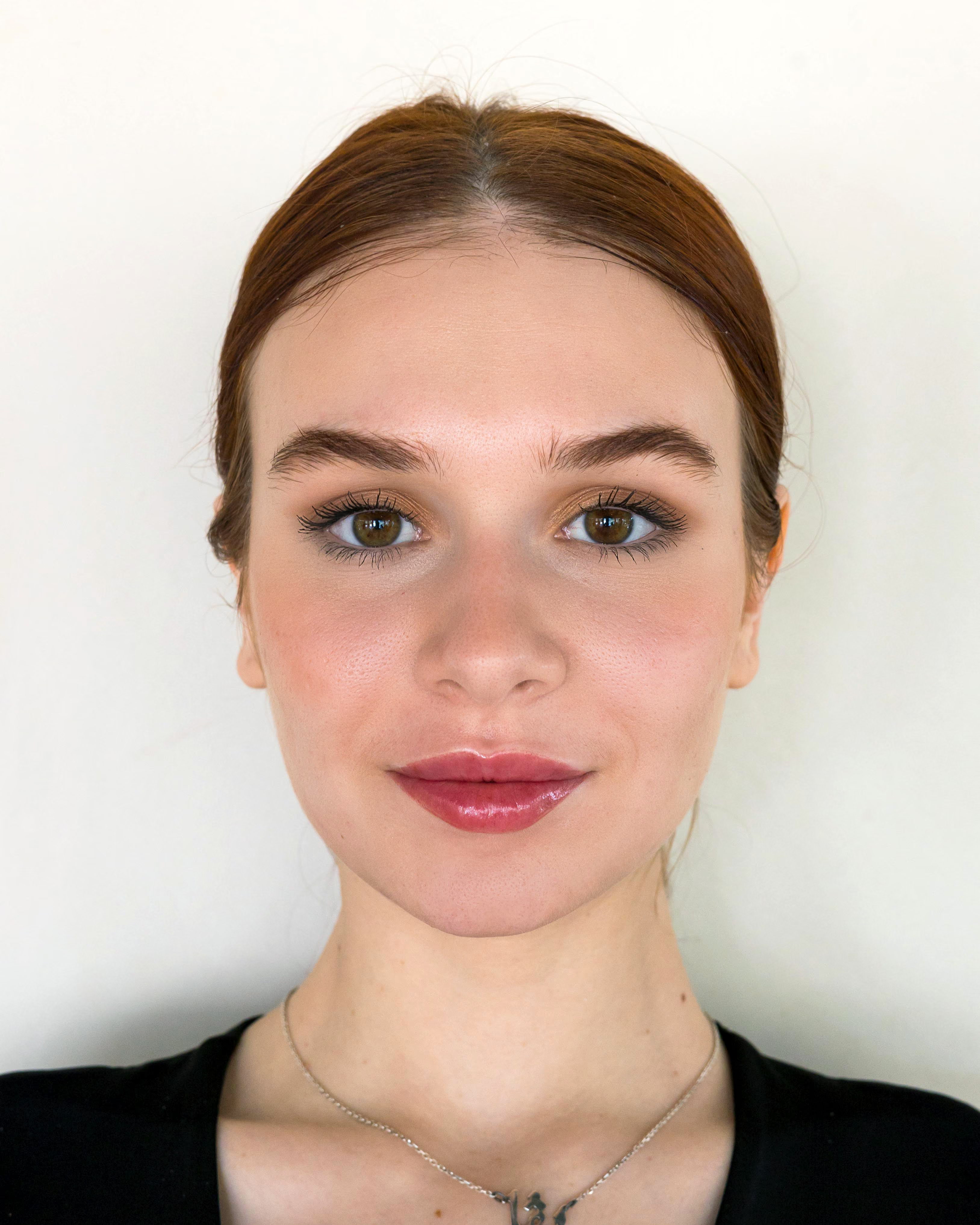
Choosing the perfect lip blush shade isn’t a solo project you have to stress over at home. It works best as a team effort; your ideas combined with the artist’s experience reading undertones, understanding how pigments behave on real skin, and knowing what will heal nicely on your specific skin tones and lip pigmentation.
Whether you’re after a barely-there nude, a gentle rose, or you need help with dark lip correction, the right lip blush color selection makes the difference between “it’s fine” and “I feel fresh and confident every morning.”
If you’re in Riyadh and ready to get this right, come see us for a proper dark lip neutralization consultation. We’ll look at your natural tones together, talk through your hopes, and build a plan that might include neutralization if needed. The goal is always lips that look better in the most natural way possible.
Book your lip blush consultation or session and let’s create that soft, everyday bloom you’ve been dreaming of.
