We’ve all been there; you book a lash lift or brow lamination thinking it will give you that perfect, effortless look for a wedding, party, or just everyday confidence, only to end up with lashes that feel brittle or brows that won’t lie flat. It’s more common than you might think, especially here in Saudi Arabia where the heat, air-conditioning, and busy social calendar can push us to treat our lashes and brows more often than they can comfortably handle.
The good news? Most over-processing is temporary, and your lashes and brows can recover beautifully with the right care and a little patience. In this blog, we’ll help you spot the signs, understand what happened, and walk you through gentle ways to bring them back to health.
What "Over-Processed" Actually Means
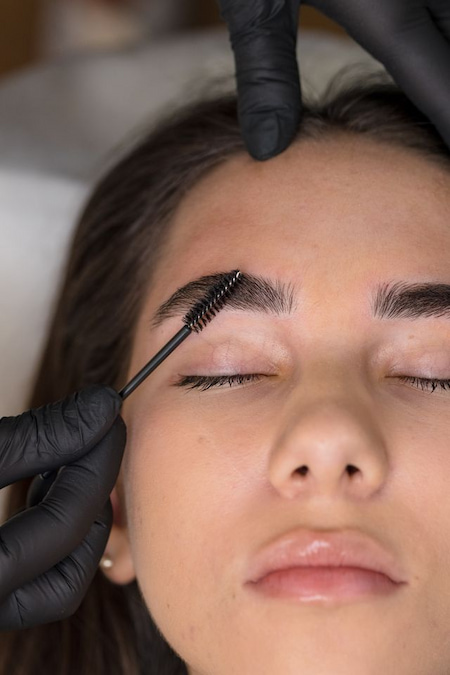
When we do a lash lift or brow lamination, a perming solution (often containing thioglycolic acid) breaks the disulfide bonds in the hair so it can be reshaped. A neutraliser then resets those bonds into the new form. Over-processing happens when the solution is too strong, left on too long, or the hair is already fragile; the bonds get damaged beyond what the neutraliser can properly repair. The result is hair that feels dry, weak, or behaves strangely. It’s not about one bad treatment, but usually a combination of timing, product strength, and how your individual hair responds.
7 Signs You've Been Over-Treated (Lashes & Brows)
Here are the most common red flags we see. If several of these sound familiar, it’s time to give your lashes and brows some breathing room.
- Frizzy or crunchy texture — The hairs feel rough, straw-like, or almost brittle when you touch them.
- Brittle and breakage — Lashes or brow hairs snap easily, or you notice more fallout than usual a few days later.
- Over-curled lashes — The lift is so dramatic that the lashes curl back and touch your eyelid.
- Brows that won’t sit flat — They look zig-zagged, singed, or stay in awkward directions no matter how you brush them.
- The flex test — Gently dampen a few hairs and stretch them lightly. Healthy hair springs back; over-processed hair stretches too far and stays stretched or feels gummy.
- Redness, itching, or tenderness — The skin along the lash line or brow bone feels irritated.
- Thinning or gaps — You start seeing sparse patches as damaged hairs fall out.
If your lashes feel crunchy or your brows look frizzy right after a treatment, that’s usually the first clue.
Find Your Situation: Over-Treatment by Treatment
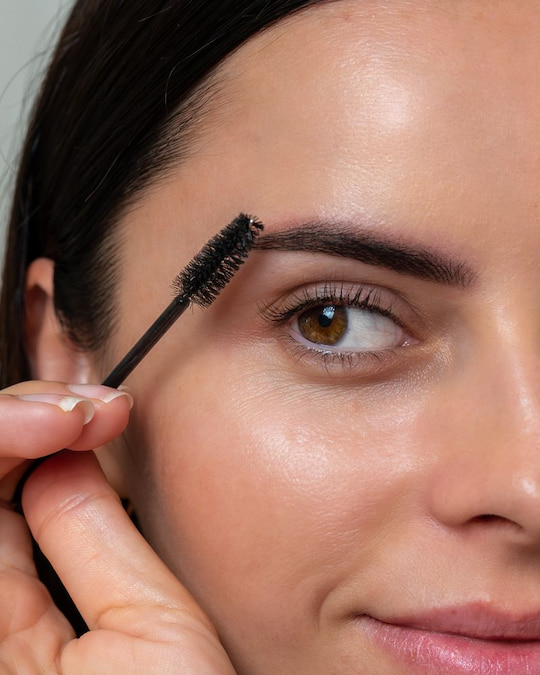
Over-processed lash lift
This is one of the most common complaints. Lashes look too lifted, frizzy, or oddly curled. The best move is to stop any further chemical treatments and focus on gentle conditioning. A skilled technician can sometimes do a controlled relax later, but only once the hair has recovered enough strength.
Brow lamination gone wrong
Brows often look crunchy, overly shiny, or won’t lie flat. Wet them regularly with a clean spoolie to soften the hold, and avoid re-laminating for at least 8–12 weeks.
Lash & brow tint overload
Repeated tinting (especially with peroxide or PPD) can dry the hairs and irritate the skin. Space your tint sessions further apart and always do a patch test.
Over-plucked, over-waxed or over-threaded brows
This is mechanical stress rather than chemicals. Sparse or patchy brows need time to grow back, put down the tweezers and focus on nourishing the area.
Heavy lash extensions
The weight and glue can pull on natural lashes and cause breakage. Take a break between sets and consider lighter, shorter extensions next time.
First 72 Hours: What to Do Right Now
No matter which treatment caused it, the first few days are important:
- Stop all chemical services immediately.
- Cleanse very gently with cool water and a lash-safe foam, pat dry, never rub.
- Avoid heat tools, steam, saunas, waterproof mascara, or curlers.
- Keep retinoids, acids, and harsh products away from the eye area.
- Reach out to your technician; good ones want to help you fix it.
How to Recover Your Lashes and Brows at Home
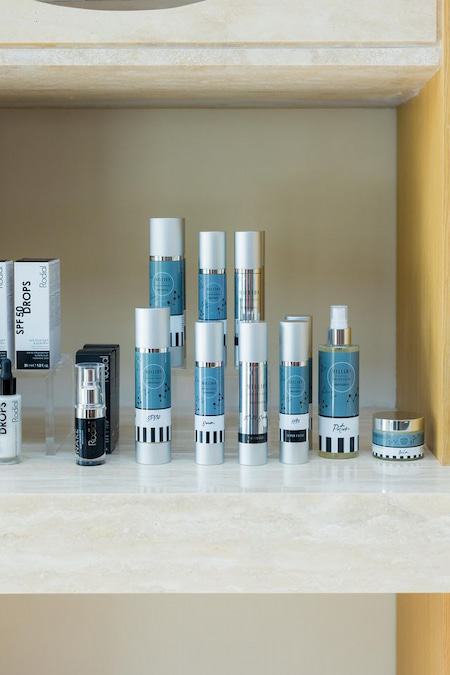
The recovery routine is the same whether it’s lashes or brows:
- Apply a lightweight keratin or peptide serum morning and night.
- Use a small amount of cold-pressed castor oil or squalane on the mid-lengths to tips (avoid getting it directly on the skin).
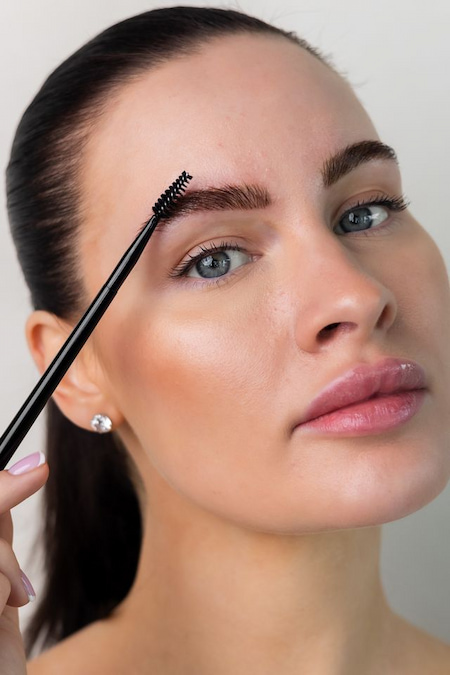
- Brush gently with a clean spoolie twice a day to keep everything neat.
- Sleep on a silk pillowcase to reduce friction.
- Stay hydrated and be patient; healthy new growth will come.
For brows, focus on brushing them in the direction you want and keeping them conditioned.
A Note for Saudi Arabia's Climate
Our weather can make recovery trickier. The dry air from air-conditioning, heat, humidity swings, and hard water can leave residue and pull even more moisture from already stressed hairs. Rinse well, consider a water filter if possible, and be extra generous with hydrating oils and serums. Halal and vegan castor oil and peptide serums are easy to find locally and work beautifully.
Why It Happens – and When to Take a Break
Over-processing usually comes down to timing, treating the hair before it has fully recovered from the last service, using a formula that’s too strong for fine or porous hair, or stacking multiple chemical services too close together.
Your natural growth cycle is your best friend: lashes take about 6–8 weeks for a full cycle, brows around 4–6 months. In Saudi Arabia, it’s tempting to refresh everything for weddings, Eid, or Ramadan, but giving your lashes and brows a proper “beauty rest” prevents cumulative damage.
How to Prevent It Next Time
- Choose a well-trained technician and ask questions.
- Mention any recent treatments and be honest about how your hair feels.
- Consider gentler options like Korean lash lifts (cysteamine-based) for more fragile lashes.
- Always patch test for tints.
- Follow aftercare instructions carefully.
When to See a Doctor
Most of the time, these issues are purely cosmetic and get better with time and gentle care. That said, if you notice ongoing swelling, strong redness, blistering, pain, or any changes in your vision, please don’t wait; see a dermatologist or ophthalmologist as soon as possible. These could signal a chemical burn or allergic reaction that needs medical attention.
Recover With Brau

At Brau, we see clients every week who are dealing with over-processed lashes or brows. We can assess the current state of your hair, recommend the safest next steps, and help you get back to healthy, beautiful lashes and brows.
If your lashes or brows aren’t feeling their best right now, you’re not alone, and they can recover. Book a consultation with us and let’s create a gentle plan together.
Frequently Asked Questions
- How long does it take for over-processed lashes to go back to normal?
A full lash cycle is around 6–8 weeks. Brows take longer, up to 4–6 months. Consistent conditioning helps them look better while they grow.
- Can I fix over-processed lashes or brows at home?
You can support recovery at home with good conditioning and gentle care, but avoid trying to re-perm or re-laminate damaged hair yourself.
- Does a lash lift damage your lashes?
When done properly with the right timing and aftercare, it shouldn’t. Damage usually comes from over-processing or doing treatments too frequently.
- How do I fix over-curled lashes at home?
Gentle warm compresses or light wetting can help relax the curl a little. Focus on conditioning and give them time, a professional relaxation can be considered later if needed.
- Why do my brows look frizzy or crunchy after lamination?
This is a classic sign of over-processing. Wet them regularly to soften, condition daily, and hold off on another lamination for at least 8–12 weeks.
- How often can I safely get a lash lift or brow lamination?
Generally every 6–8 weeks for lashes and 5–8 weeks for brows, but longer if your hair still feels dry or weak.
Your lashes and brows do so much for you; a little rest and care can make them stronger and more beautiful in the long run. Take care, and we hope you see healthy growth soon.
