You have a shelf of half-used bottles. The routine grew from three steps to nine, and the skin still is not doing what the labels promised. A good skincare routine is genuinely powerful within a narrow set of jobs, and completely powerless outside them. Almost nobody tells you where that line sits. This guide explains where that line is.
First, What a Skincare Routine Actually Is

A routine has three jobs: cleanse, treat, protect.
The minimum effective version is simple. Morning: cleanser, moisturiser, broad-spectrum SPF. Night: cleanser, one treatment product, moisturiser. Order matters less than consistency; apply thin textures before thick ones, water-based before oil-based. The same three jobs apply to men’s skin. Everything else is optional.
What Home Skincare Genuinely Can Do

Sun protection: the strongest foundation for preventing premature ageing
Daily broad-spectrum sunscreen is one of the most effective ways to slow premature ageing caused by UV. It helps prevent wrinkles, pigmentation, uneven tone and loss of elasticity. It primarily stops further damage rather than reversing what is already there. In Riyadh, where UV remains high for much of the year, consistent SPF is foundational, not optional.
Barrier repair and hydration
Ceramides, cholesterol, fatty acids and humectants (glycerin, hyaluronic acid) support the skin’s outer barrier. A compromised barrier is behind a lot of “sensitive skin” that is not truly sensitive — it is simply dehydrated and reactive. Dry outdoor air combined with constant air-conditioning makes this especially common in Saudi Arabia. If your skin is dry or irritated, it is usually better to restore the barrier before introducing stronger actives.
Retinoids and acids: effective, but gradual
Retinol and prescription retinoids are the best-evidenced topical anti-ageing ingredients. Visible improvement in fine lines and texture usually begins around 4–6 weeks; fuller benefit can take up to a year of consistent use. Prescription tretinoin works faster but irritates more. AHAs and BHAs improve surface texture and help with mild congestion or acne. Results are real, but they are gradual.
Other reliable supporting players include vitamin C (especially L-ascorbic acid) for antioxidant protection and gradual brightening, and niacinamide for barrier support, redness, and the appearance of pores.
What Home Skincare Cannot Do – No Matter What You Spend
It Cannot Build Collagen Deep in the Dermis
Collagen loss happens in the dermis. Most topicals reach only the epidermis. Retinoids can modestly encourage collagen production in the dermis over many months, but their effect is limited compared with professional treatments. Controlled injury (microneedling), energy devices, and medium-depth peels work because they reach the layer creams cannot.
It Cannot Lift Skin That Has Actually Lost Structure
Dehydration can make skin look temporarily softer and fuller; true laxity is structural. Creams cannot reproduce the lifting effect of treatments that address bigger structural changes. Dynamic wrinkles from muscle movement also sit outside the reach of topicals.
It Cannot Reach Pigment That Sits Below the Epidermis
Superficial sun spots respond slowly to vitamin C, niacinamide, gentle exfoliation, and rigorous SPF. Deeper dermal pigment and the dermal component of melasma do not. Melasma is chronic and relapsing; aggressive at-home treatment often makes it worse.
It Cannot Change Your Pore Size
Pore diameter is largely genetic, influenced by oil and sun damage. Products can clear pores and reduce how visible they look. Nothing permanently shrinks them. Claims that suggest otherwise are describing a temporary optical effect.
It Cannot Fix Indented Acne Scars or Broken Capillaries
Atrophic and ice-pick scars are missing tissue. Because these scars involve a loss of tissue, topical products have limited ability to correct them. Broken capillaries need vascular laser treatment. Both should be treated by a dermatologist or clinic.
It Cannot Substitute For Medical Treatment of a Medical Condition
Moderate-to-severe acne, rosacea, eczema, and any suspicious mole require medical care. See a dermatologist. Cycling through more serums will not resolve them.
Why More Products Do Not Necessarily Mean Better Results
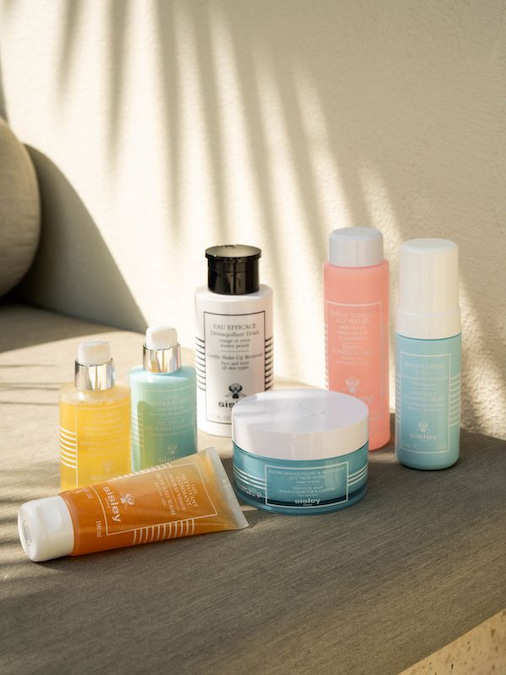
A ten-step routine stacking retinoid, acid and vitamin C often produces barrier damage rather than better skin. Stinging, flaking and new sensitivity are frequently misread as “it’s working.”
Introduce one active at a time. Patch-test. Give any product 8–12 weeks before judging it. Price correlates only weakly with efficacy; many of the best-evidenced ingredients are inexpensive.
How Riyadh’s Climate Affects Your Skin
- UV load is high year-round. SPF does more work here than in milder climates, and reapplication matters.
- Fitzpatrick III–VI skin pigments readily after inflammation. Post-inflammatory hyperpigmentation is the dominant risk of harsh DIY peels and scrubs. Marks can outlast the original problem.
- Unregulated lightening creams remain a real issue. Buy only SFDA-registered products from legitimate retailers. Treat any “instant whitening” cream from informal sellers as a health risk.
- Dry air + constant air-conditioning favours a barrier-first approach over an actives-first one.
When Professional Treatment Makes Sense
Once the limits of home care are clear, the clinic role becomes straightforward:
- Dermal collagen and deeper texture → controlled micro-injury → Mesotherapy by SkinPen
- Congestion, dullness, apparent pore size → deep cleanse, extraction and professional exfoliation → HydraFacial or Signature Facial
- Stubborn surface pigment and texture → professional-strength peel → Million Dollar Peel or BioRePeel
- Dead-cell buildup that blocks product absorption → Dermaplaning
Professional treatments are not a shortcut around a routine. The two do different jobs and the results compound when both are used intelligently.
When It’s Time to See a Dermatologist

Between the shelf and the beauty clinic sits prescription care: tretinoin, prescription-strength pigment therapy, oral acne medication, and regulated hydroquinone. Many people cycle through years of over-the-counter products for concerns a prescription could have improved in months. If progress has stalled despite a solid routine, this is the category to consider next.
How to Spend Wisely on Skincare
- Buy sunscreen first and buy enough to use it generously.
- Fix the barrier before adding actives.
- Introduce one active at a time and give it 8–12 weeks.
- Read claim language carefully; “appearance of” signals the legal ceiling.
- Choose SFDA-registered products from legitimate retailers.
- Ignore ingredients that cannot meaningfully penetrate (topical collagen, most cosmetic-level peptide claims).
- If a concern sits on the “cannot” list, stop buying products for it and seek assessment instead.
Frequently Asked Questions
What is the most effective skincare routine?
Cleanser, moisturiser, daily broad-spectrum SPF, plus one evidence-backed active (usually a retinoid) used consistently. Effectiveness comes from consistency, not step count.
How long before a skincare product actually works?
Hydration can appear in days. Texture and tone usually need 4–8 weeks. Retinoid results begin around 4–6 weeks, with fuller benefits closer to a year. Skin turnover is roughly 28 days and slows with age.
Can skincare really get rid of dark spots?
Superficial ones, slowly, with SPF plus vitamin C, niacinamide or gentle exfoliation. Deeper pigment or melasma needs in-clinic or prescription treatment.
Do expensive skincare products work better?
Sometimes they are better formulated or more pleasant to use. They are frequently not more effective. The strongest evidence sits with a short list of well-studied ingredients available at many price points.
Can I shrink my pores with skincare?
No. You can clear them and reduce how visible they look. Size is largely genetic.
Is a professional facial worth it if I already have a good routine?
Yes, for the jobs a routine structurally cannot do, thorough extraction, professional-strength exfoliation, controlled micro-injury. They are complementary, not alternatives.
The Honest Summary

A well-built routine protects, maintains, and improves the surface of the skin, and it does that genuinely well. It does not restructure the dermis, remove missing tissue, or treat disease. Knowing which concerns can realistically be improved at home, and which need professional treatment, can save you both time and money.
If something on the “cannot” list is your main issue, a consultation can clarify what will actually move it. Book your consultation at Brau.
