You know that moment when you’re standing in front of a shelf full of skincare or thinking about booking a facial, and you suddenly wonder… What is my skin type, really? You try a product that works wonders for a friend, only to find it makes your own skin feel tight, shiny, or irritated. It happens to so many of us here in Saudi Arabia, where the climate swings from dry desert air to humid summers, plus all the air-conditioning in between.
In this guide, we’ll walk you through a super simple way to figure out your skin type at home, explain what each type actually feels like, and suggest the facial at Brau that tends to suit it best. No complicated science, just honest, practical advice so you can finally choose things that work for you.
Why Your Skin Type Is the Starting Point

Getting to know your skin type is one of the kindest things you can do for your complexion. It helps you pick the right cleanser, moisturiser, and treatments instead of wasting time and money on products that don’t quite fit.
The main thing that shapes your skin type is how much oil (sebum) your sebaceous glands produce, along with your genetics. The American Academy of Dermatology generally talks about five main types: oily, dry, combination, normal, and sensitive. Understanding yours makes everything else, from daily care to choosing the right facial, so much easier.
The 5 Main Skin Types (and Where "Acne-Prone" Fits)
Most people fall into one (or a mix) of these five. Note that “acne-prone” isn’t a separate type; it’s a condition that can show up on any skin type, though it tends to appear more with oily or combination skin.
Oily skin
If your face gets shiny within a couple of hours, especially across the T-zone (forehead, nose, and chin), and you notice enlarged pores or blackheads, you likely have oily skin. The upside? It often ages a bit more slowly because of that natural oil. But it can feel frustrating when breakouts appear.
Dry skin
Does your skin feel tight, flaky, or rough, especially after washing? It might look dull and show fine lines more easily. Medically, it’s sometimes called xerosis. In our KSA climate, air-conditioning and dry air make this even more common. Your skin simply isn’t holding onto enough moisture or natural oils.
Combination skin
This is very common, oily in the T-zone but drier on the cheeks. It can change with seasons, hormones, or stress, which many of us notice here with our hot summers and cooled indoor spaces.
Normal skin
Balanced, comfortable, neither too oily nor too dry. It feels soft, has small pores, and doesn’t react dramatically. Even “normal” skin still benefits from gentle, consistent care.
Sensitive skin
This isn’t strictly about oil levels; it’s more about how your skin reacts. You might notice redness, stinging, or itching after certain products. It can overlap with any other type and sometimes points to conditions like rosacea or eczema. If this sounds like you, gentleness is key.
What Actually Determines Your Skin Type

Your skin type is mostly set by genetics and how active your sebaceous glands are. But life influences it too: hormones, stress, age, diet, and our environment here in Saudi Arabia. The intense sun, dry heat, heavy air-conditioning, and seasonal humidity changes mean your skin can behave differently from winter to summer. That’s why checking in with your skin every now and then is so helpful.
The 30-Second At-Home Skin Type Test
You don’t need fancy tools. Try this easy method most dermatologists recommend.
The bare-faced “watch and wait” test
At night, cleanse your face with a gentle, fragrance-free cleanser and pat it dry. Don’t apply anything else. Wait 30 minutes and look in the mirror (or feel your skin).
- Shiny all over, especially T-zone? → Oily
- Tight, flaky, or rough? → Dry
- Oily T-zone but drier cheeks? → Combination
- Comfortable, no tightness or shine? → Normal
- Red, stinging, or irritated? → Sensitive
The blotting sheet test (quick daytime check)
Press clean blotting papers or tissues on your forehead, nose, cheeks, and chin. If oil shows up heavily on the T-zone but less on cheeks, you’re likely combination. Heavy oil everywhere points to oily skin.
These tests give you a good starting point. Your skin might shift a little over time, and that’s normal.
Skin Type vs. Skin Condition

It’s easy to mix these up. Skin type is your baseline (oily, dry, etc.). Skin condition is temporary, like dehydrated skin (lacks water even if oily) or a flare of sensitivity.
Skin tone is different again. The Fitzpatrick scale (types I–VI) describes how your skin reacts to sun. Many of us in Saudi Arabia fall into types III–V, which means we tan rather than burn but can be more prone to dark spots if we’re not careful with treatments.
The Right Facial for Each Skin Type at Brau

Once you know your type, choosing a facial becomes much more enjoyable.
- Oily or acne-prone skin: BioRePeel is often a favourite because it helps clear pores and refresh without heavy downtime. LED light therapy can also calm breakouts nicely.
- Dry or dull skin: The Million Dollar Facial brings hydration and gentle exfoliation that leaves skin feeling plump and radiant.
- Combination skin: HydraFacial works beautifully as it balances different areas in one treatment.
- Normal skin: Our Signature Facial is perfect for gentle maintenance and that healthy glow.
- Sensitive or redness-prone skin: Cryo Oxygen or calming LED sessions tend to feel soothing and supportive.
- Texture or early ageing concerns: SkinPen mesotherapy or HydraPen can help improve smoothness and firmness.
How to Care for Each Skin Type at Home
Oily skin
Gentle foaming cleansers, lightweight or gel moisturisers, and ingredients like salicylic acid can help. Don’t skip moisturiser completely; your skin still needs balance.
Dry skin
Creamy, hydrating cleansers and rich moisturisers with ceramides and hyaluronic acid make a big difference. Apply while skin is still damp for better absorption.
Combination skin
You can treat zones differently: lighter products on the T-zone, richer ones on cheeks.
Normal skin
Keep it simple with a good routine and daily SPF. You don’t need anything too heavy.
Sensitive skin
Fragrance-free, minimal-ingredient products are your friends. Always patch-test new things and be extra gentle.
No matter your type, wearing broad-spectrum SPF every day is one of the best habits you can have in our sunny climate.
When to See a Skin Specialist
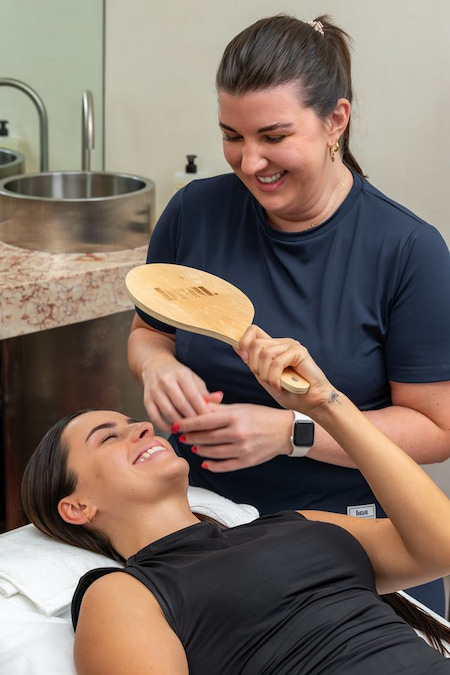
If your skin feels consistently unhappy, reacts to many products, or you’re unsure which facial would suit you best, booking a consultation is a smart move. A professional can look at your skin in person and help you avoid trial-and-error.
At Brau, we offer friendly skin consultations where we listen to your concerns and suggest treatments that feel right for you. Whether you want to try one of the facials above or simply get clearer advice, we’re here to help.
Ready to understand your skin better? Book a consultation or facial at Brau today. Your skin will thank you.
